Rubbish Container Rental in Missouri: Smart Choices for Faster, Safer, and Cheaper Cleanups
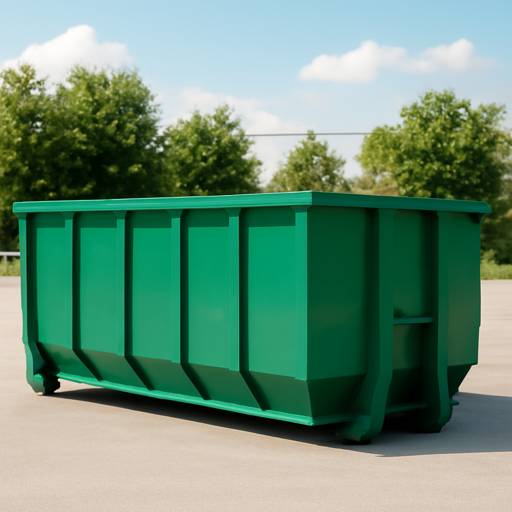
Whether you’re clearing out an attic in St. Louis, replacing a roof in Kansas City, managing storm debris in Springfield, or overseeing a renovation in Columbia or Jefferson City, a well-planned rubbish container rental turns a messy project into a streamlined success. With the right size and setup, roll-off containers keep work sites safer, cuts trips to the landfill, and help you stay on schedule and on budget. Here’s how to choose the ideal container, understand pricing and permits, and apply real-world best practices across Missouri.
Choosing the Right Roll-Off Rubbish Container for Your Project
Selecting the correct container starts with two questions: What are you throwing away, and how much will there be? Most Missouri projects fit neatly into roll-off sizes ranging from 10-yard to 40-yard. A 10-yard container is compact and ideal for small cleanouts, tight driveways, and dense debris like concrete or dirt. A 15-yard is a versatile step up for garage purges or single-room remodels. For moderate renovations and roof tear-offs, a 20-yard typically hits the sweet spot. Larger makeovers, estate cleanouts, or new construction often call for 30-yard or 40-yard options to minimize swap-outs and keep crews productive.
Debris type matters as much as volume. Roofing shingles and construction scraps are bulky but not always heavy, so a 20-yard or 30-yard can be perfect. Concrete, brick, asphalt, and soil are heavy; even a partially filled large container can exceed weight limits. That’s why heavy debris is commonly loaded into 10-yard or 20-yard containers to stay within safe transport weights and avoid overage fees. Yard waste—branches, leaves, and brush—packs differently; a mid-sized container manages typical pruning, while post-storm cleanup might need a larger roll-off to handle volume efficiently.
Site conditions influence your choice too. Driveway length, overhead clearance (think low branches or power lines), and surface materials affect where a container can be placed. If access is tight, a smaller container may be easier to position and still deliver enough capacity through a quick swap-out. For multi-day jobs, consider your material flow: staging debris near the loading door reduces labor, and separating heavy items evenly helps maintain a balanced, safe load.
Finally, ask your provider about local disposal rules and prohibited items. In many Missouri municipalities, household chemicals, paints, tires, and certain appliances can’t go in a standard roll-off. Keeping these out protects you from contamination surcharges. Load level is another must-follow rule: materials need to be below the rim to ensure safe tarp coverage. Choosing the right size and respecting accepted materials goes a long way toward hassle-free rubbish container rental with predictable costs and timely pickups.
Pricing, Permits, and Logistics: What to Know Before Delivery
Transparent pricing starts with what’s included. Most reputable Missouri haulers offer flat rates covering delivery, pickup, and disposal up to a set weight allowance, plus a rental window (often 7–10 days). You may see fees for extra weight (overage), additional days, swap-outs, or specialized materials. Confirm these details upfront. Since debris density varies, it’s wise to choose a container that fits the job with some breathing room; cramming an undersized container can lead to overfills or expensive overages.
Scheduling is another key variable. During peak seasons—spring cleanouts, summer remodels, or post-storm recovery—lead times shrink quickly. Ask about same-day or next-day service, cutoff times, weekend availability, and holiday schedules. For a smooth delivery, prepare the site: clear cars from the driveway, unlock gates, and flag any underground utilities or sprinkler lines. To protect stamped concrete or soft asphalt, request driveway padding or lay down boards to distribute weight. Good communication with your provider ensures accurate placement and safe access, especially on hills or narrow urban streets common in St. Louis and Kansas City neighborhoods.
Permits matter when placing containers on the street, sidewalk, or public right-of-way. Cities across Missouri—St. Louis, Kansas City, Springfield, Columbia, Jefferson City, and beyond—often require permits for off-driveway placement, and some HOAs have additional guidelines. Typical rules specify where a container can sit, how long it can remain, reflective markings or cones for visibility, and clearance from hydrants or intersections. Your hauler can usually advise on local requirements and may handle permits for a fee, but don’t assume; double-check timelines so your project isn’t delayed by compliance issues.
Disposal rules vary by county and material type. Many locations encourage recycling and diversion for metal, clean concrete, asphalt, and yard waste. Ask if separated loads receive preferential pricing or simplified handling. If your project includes hazardous items—old paint, solvents, batteries—plan a separate drop-off through a household hazardous waste program. For an overview of sizes, acceptable materials, and city-specific guidance, browse local Missouri resources, including rubbish container rental options that outline service areas, permit tips, and typical pricing structures tailored to residential, commercial, and construction needs.
Real-World Use Cases Across Missouri: From Cleanouts to Construction
Every job is unique, but tried-and-true patterns help you plan capacity and control costs. Consider a historic St. Louis basement cleanout: years of stored furniture, broken shelving, and general clutter often fit neatly into a 15-yard container. Homeowners who pre-stage items near the exit, break down bulky pieces, and load heavier objects first typically finish in a single haul without overfilling. In tight city lots, a shorter container body can make delivery and pickup simpler, reducing the risk of driveway or curbside complications.
For roofing in Kansas City, crew leads commonly choose a 20-yard container for a mid-sized tear-off. Asphalt shingles stack densely yet aren’t as heavy as concrete, and a 20-yard often balances volume and weight allowance well. Crews that position the roll-off close to the eaves speed up toss-in efficiency and reduce ground handling. Pro tip: spread shingles evenly and avoid mound loading; a level fill ensures safe transport and helps you avoid fees for reloading or excess height.
In Springfield kitchen remodels, a 10-yard container can be the perfect fit for cabinets, countertops, and old flooring. If walls are coming down or multiple rooms are in play, stepping up to a 15-yard or 20-yard prevents mid-project slowdowns. Contractors who segment waste—wood in one corner, drywall in another, metals set aside—can streamline recycling and keep disposal costs predictable. When concrete or tile is involved, confirm weight allowances beforehand; swapping a 10-yard heavy debris container midway is often cheaper than paying overweight charges on a larger bin.
College move-outs and rental turnovers in Columbia benefit from fast turnaround: a 15-yard can handle mattresses, mixed furniture, and bagged trash with fewer trips. Landlords who schedule delivery the day before a move and pickup right after cleaning wrap-ups minimize downtime between tenants. For municipal events or seasonal cleanups, organizers frequently choose 30-yard or 40-yard containers to consolidate high-volume waste, and they stage them at logical choke points—near load-in gates or parking lots—to reduce manual handling.
Commercial renovations in Jefferson City typically rely on 30-yard or 40-yard containers to accommodate framing lumber, drywall, and packaging. Safety remains central: keep access paths clear, never load above the rim, and use spotters when backing trucks into busy lots. If heavy debris is part of demolition—think concrete slabs or masonry—most crews split the waste stream: a 10-yard for dense materials and a 30-yard for bulkier, lighter scrap. This dual-container strategy stays within weight limits and speeds hauling, which keeps subcontractors on schedule.
Storm cleanup across Missouri brings unique challenges. Downed limbs and mixed yard waste are voluminous and awkward. A mid to large container placed on stable ground, with tarps handy for wind control, helps keep materials contained. Crews that cut branches to uniform lengths, stack with directional care, and intersperse lighter brush between heavier logs achieve safer, tighter packing. When local rules allow yard waste diversion, separating clean organics can lower disposal costs and contribute to more sustainable outcomes.
Across these scenarios, the same fundamentals apply: choose the right size, load level and evenly, separate restricted items, and plan for site access. With thoughtful preparation and clear communication, roll-off rubbish containers become more than a waste solution—they’re a productivity tool that helps Missouri homeowners, property managers, and contractors finish projects faster, safer, and within budget.

Santorini dive instructor who swapped fins for pen in Reykjavík. Nikos covers geothermal startups, Greek street food nostalgia, and Norse saga adaptations. He bottles home-brewed retsina with volcanic minerals and swims in sub-zero lagoons for “research.”